Step 1
Free ConsultationWe review your electricity bills, discuss your goals, and identify whether on-grid or hybrid solar is the better fit. No obligation, no pressure.
 Kunini

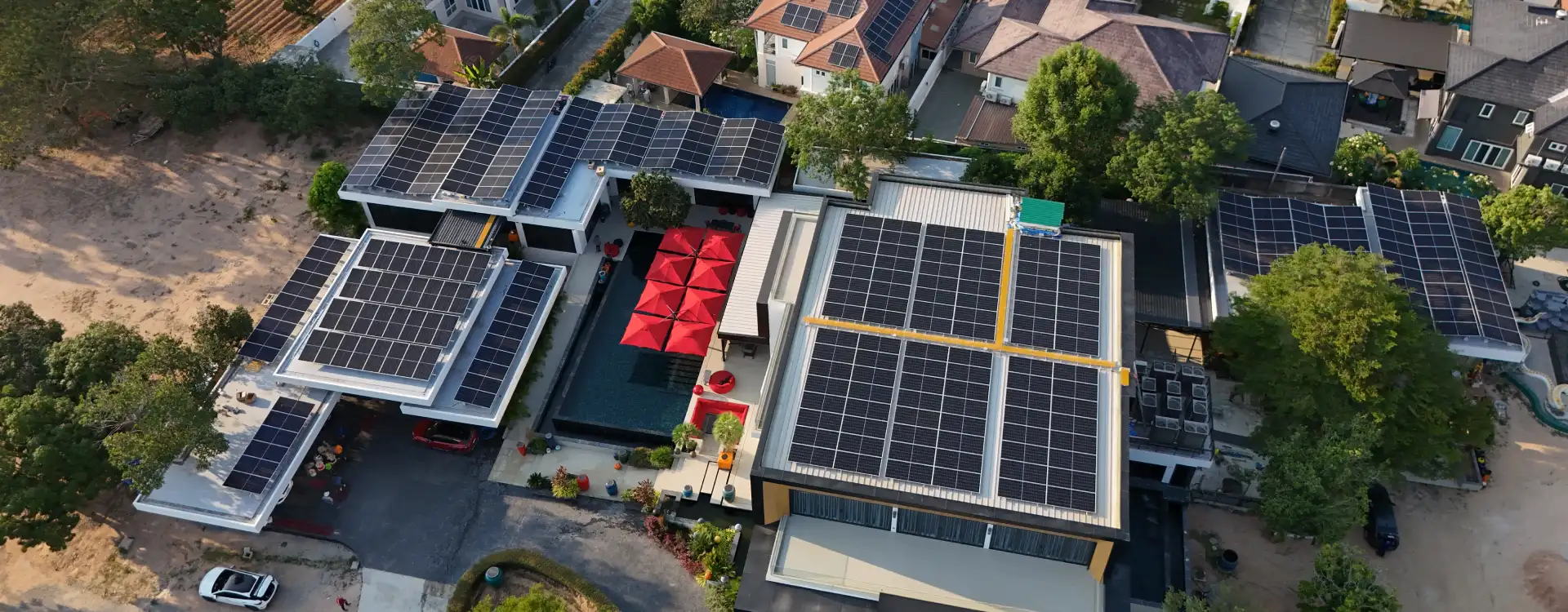
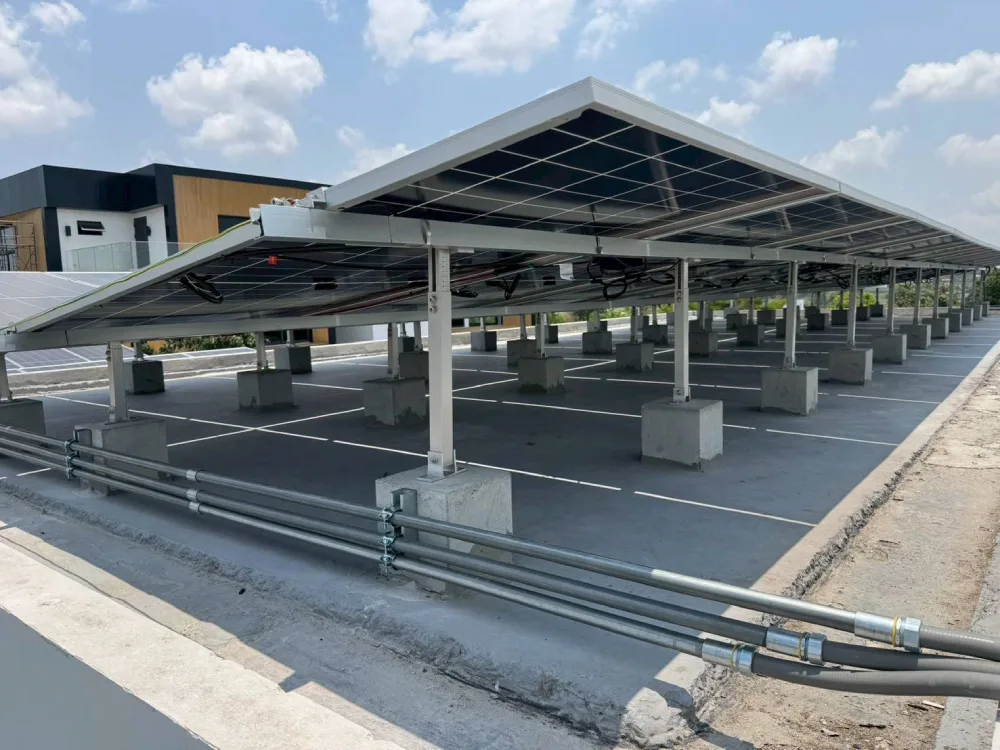
A solar rooftop system is one of the most financially sound investments a homeowner or business owner in Thailand can make. With commercial electricity rates between 4.18 and 5.50 THB per kWh — and residential rates subject to the same quarterly fuel adjustment charges — the cost of grid electricity is a recurring expense that trends in one direction. Solar changes that.
Kunini has been designing and installing solar rooftop systems in Thailand since 2010, when we completed the first solar rooftop in Hua Hin. Today, we install on-grid and hybrid solar systems for homes, hotels, factories, retail units, and commercial properties of every size — across Hua Hin, Pattaya, Bangkok, and nationwide.
There are two primary solar rooftop system types. Understanding the difference between them is the starting point for any good solar decision.
An on-grid solar system — sometimes called a grid-tied system — connects your solar panels directly to the PEA or MEA electricity grid. It generates electricity during daylight hours, powers your home or business in real time, and uses the grid as a buffer when generation exceeds or falls below your demand. There are no batteries in a standard on-grid system, keeping costs down and making it the fastest route to meaningful electricity savings.
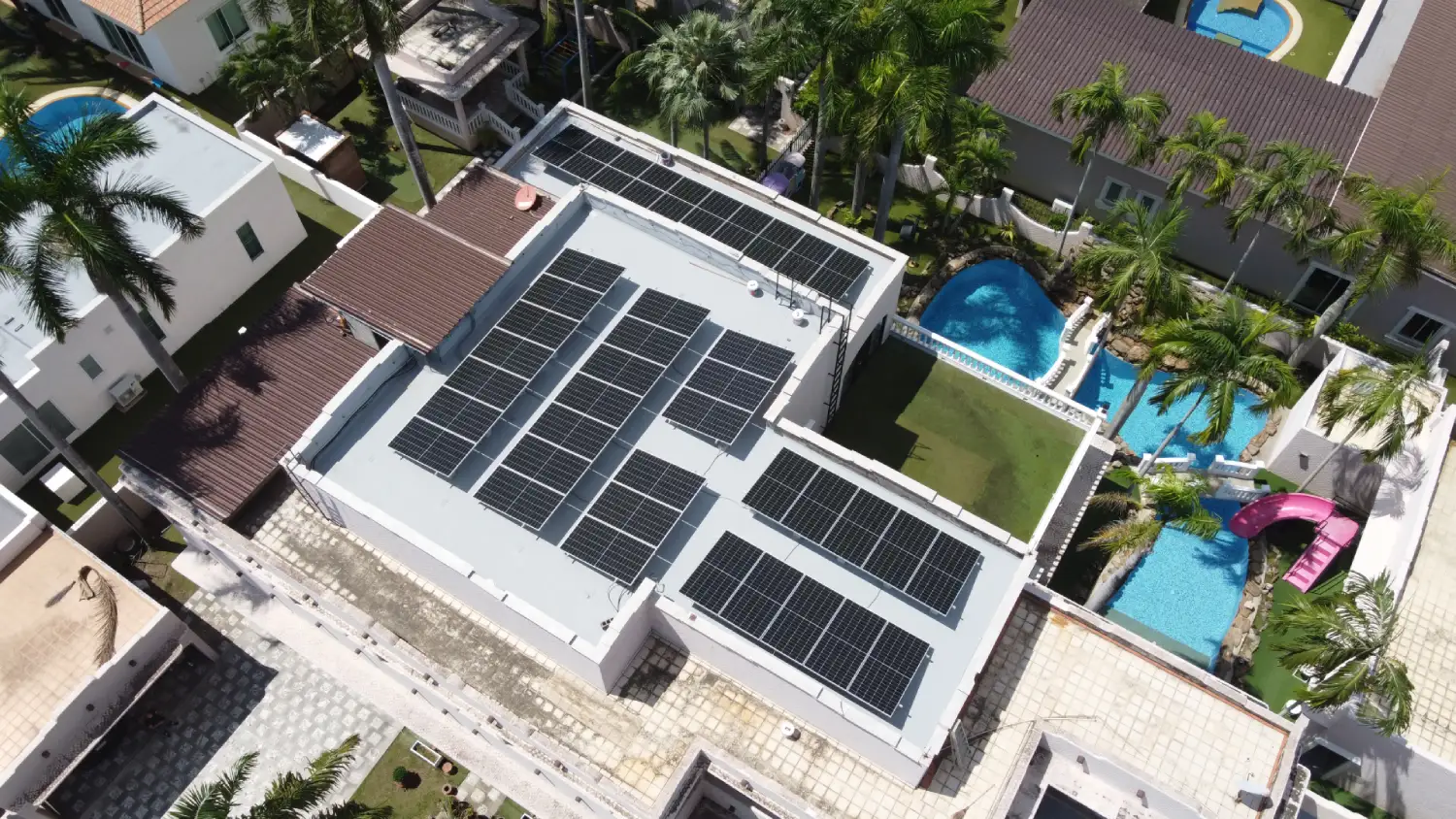
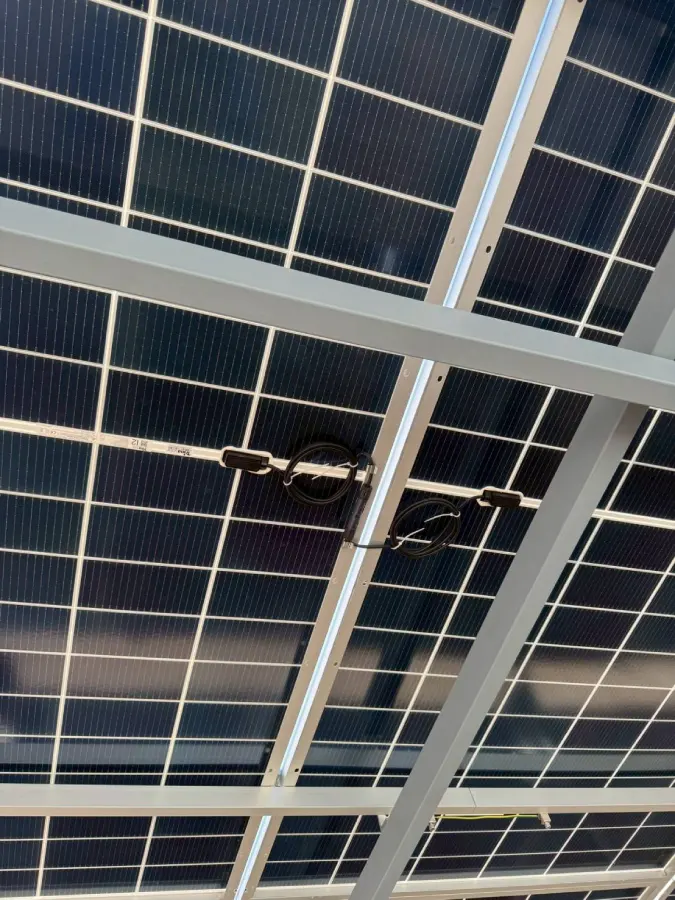
Solar panels mounted on your roof convert sunlight into direct current (DC) electricity. That DC current passes through a solar inverter, which converts it into alternating current (AC) — the standard form of electricity used in your home or business. The AC electricity feeds directly into your property’s electrical system and is consumed in real time.
During peak solar hours — typically 8am to 4pm — your system can significantly reduce or eliminate your grid consumption entirely. Outside of those hours, you draw from the grid as normal.
Important — Zero Export Policy: In Thailand, on-grid solar systems operate under a Zero Export policy by default. Your system is configured to consume all solar generation within your property. Surplus electricity cannot be fed back to the grid unless you have been formally approved for the PEA or MEA Feed-in Tariff (FiT) programme. Kunini can manage your FiT application — see our dedicated Feed-in Tariff page for full details.
On-grid solar is the right solution if:
On-grid systems are particularly well suited to factories, retail businesses, hotels, offices, schools, and homes actively consuming electricity throughout the day.
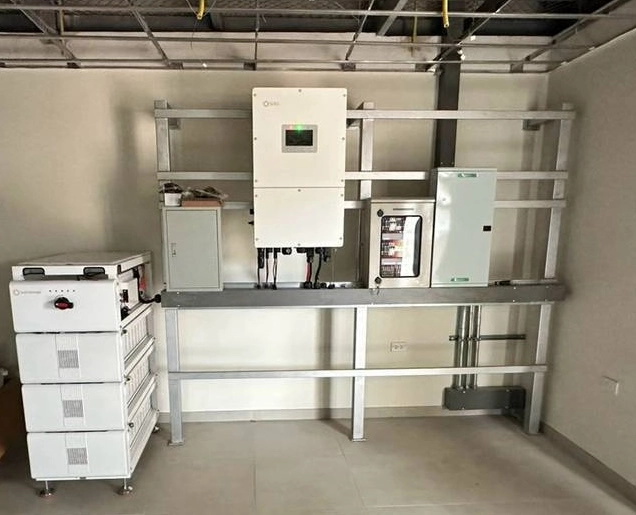
Solar systems are sized to match your specific consumption profile and available roof space. The figures below are indicative examples based on real-world installations at approximately 22 THB per watt installed. Your Kunini proposal will include detailed financial modelling specific to your site.
Small Retail Business — 7 days per week, 8am to 8pm, average monthly electricity bill of THB 45,000.
| Suggested System Size | 50 kWp |
| Estimated System Cost | THB 1,100,000 |
| Monthly Savings | THB 25,000 |
| Annual Savings | THB 300,000 |
| Estimated ROI | 3.5–4 years |
Commercial Hotel — 7 days per week, continuous daytime demand, average monthly electricity bill of THB 200,000.
| Suggested System Size | 160 kWp |
| Estimated System Cost | THB 3,520,000 |
| Monthly Savings | THB 80,000 |
| Annual Savings | THB 960,000 |
| Estimated ROI | 3.5 years |
Costs and savings depend on system size, site conditions, roof type, consumption profile, and current electricity tariff. All figures are pre-VAT and subject to site survey.
Kunini selects equipment based on quality, long-term reliability, local serviceability, and compatibility with Thailand’s PEA and MEA grid requirements.
Kunini specifies high-efficiency monocrystalline solar modules from established Tier-1 manufacturers including LONGi, AIKO and Jinko Solar. We select the panel technology and wattage to suit each project, considering available roof area, orientation, operating conditions and required system output. High-efficiency modules allow us to generate more energy from the available roof space, which is particularly important for commercial and industrial installations. Our selected modules typically carry long-term product warranties together with 30-year linear performance warranties, providing dependable generation and long-term asset value.
The inverter is the control centre of a solar PV system, converting DC electricity from the solar panels into usable AC power for the building. Kunini specifies proven inverter platforms from Huawei, Solis and Sigenergy, selected according to system size, electrical configuration, monitoring requirements and whether battery storage or future expansion is planned. We prioritise equipment with strong technical support and service capability in Thailand and models suitable for PEA and MEA grid-connected applications. Systems can also incorporate smart monitoring, zero-export control, energy management and battery integration where required.
Kunini uses engineered solar mounting systems from Antaisolar and RRacks, selected to match the building structure and roof type, including metal sheet, standing seam, concrete tile and flat concrete roofs. Mounting layouts are designed around site conditions, structural loading, wind loads, drainage and long-term corrosion resistance rather than simply fitting the maximum number of panels onto the roof. For commercial and industrial projects, we can also incorporate maintenance walkways, access routes, handrails, lifeline systems and other rooftop safety provisions, helping provide safe access for inspection, cleaning and ongoing O&M throughout the system’s operating life. Antaisolar, for example, offers dedicated systems for metal, tile and flat roofs.
For projects requiring module-level monitoring, enhanced energy yield or additional rooftop safety, Kunini can specify solutions from Huawei, Fonrich and AndSolar. Optimisers allow individual solar modules to be monitored and, where appropriate, managed independently, helping reduce losses caused by shading, soiling or module mismatch. Rapid Shutdown (RSD) provides an additional layer of safety by reducing hazardous DC voltage at roof level when the system is shut down or during an emergency, improving protection for technicians and emergency personnel. Depending on the project, these technologies can be incorporated into residential, commercial and industrial systems as part of the overall PV safety and monitoring strategy. Huawei and Fonrich both document module-level rapid-shutdown functionality within their current PV solutions.
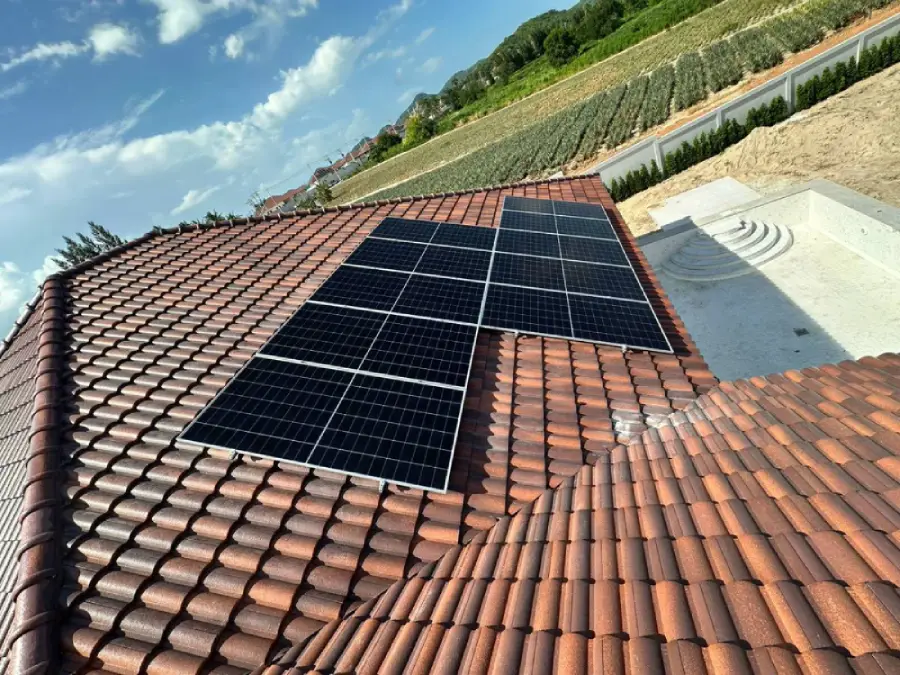
A hybrid solar system combines solar panel generation with battery energy storage, managed by a hybrid inverter that coordinates the flow of energy between your panels, your batteries, and the grid. During daylight hours, your solar panels power your property and charge the batteries simultaneously. In the evening — or during a grid outage — your property draws from stored battery energy rather than the grid.
As with on-grid systems, hybrid solar systems in Thailand are configured under Zero Export by default. All solar generation is consumed within your property first — powering your loads directly and charging your batteries. The grid is used only when solar generation and battery storage are both insufficient to meet demand. Export to the grid is not permitted without formal PEA or MEA Feed-in Tariff approval.
A well-designed hybrid system is sized to self-consume virtually all of its generation — surplus daytime energy that would otherwise be lost is stored in batteries for use in the evening or overnight.
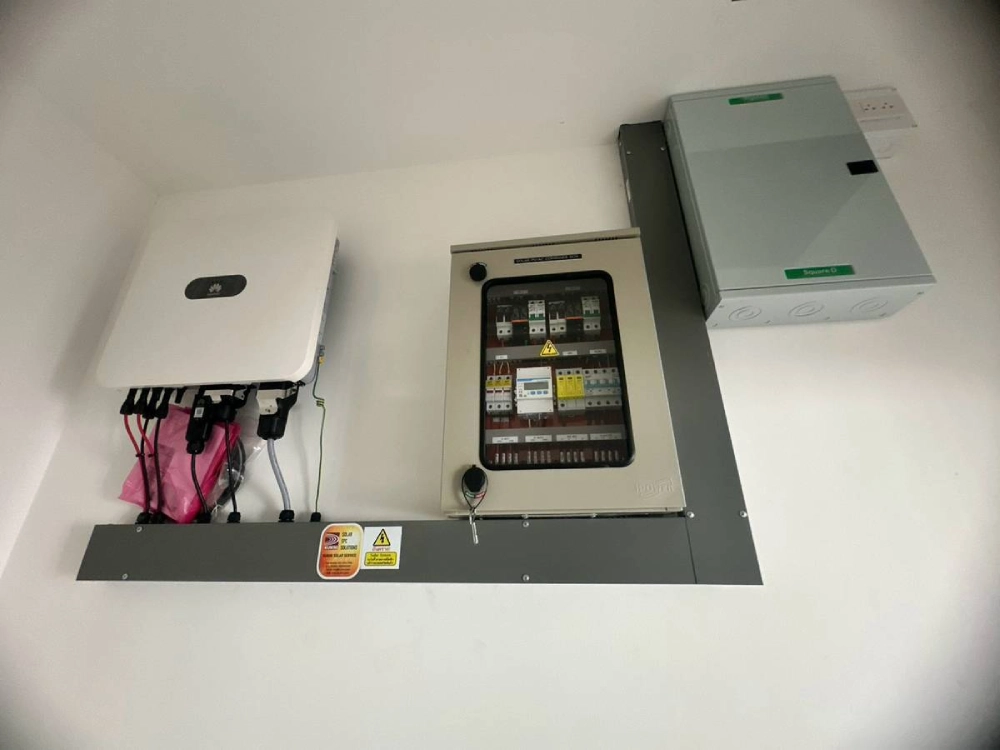
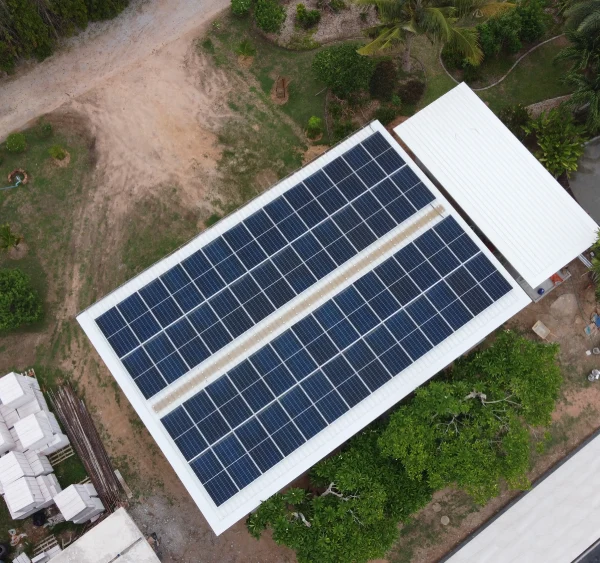
Hybrid solar is the right solution if:
Hybrid systems are particularly well suited to homeowners with evening loads, hotels and resorts operating 24 hours, healthcare facilities, and any business where power continuity is critical.
Kunini uses the same high-efficiency solar module range across both on-grid and hybrid systems, including LONGi, AIKO and Jinko Solar. Panel selection is based on available roof space, orientation, energy demand and the amount of solar generation required to support both daytime consumption and battery charging. High-efficiency modules help maximise energy production from the available roof area, particularly where additional generation is required for energy storage. Our selected modules typically include long-term product warranties together with 30-year linear performance warranties, supporting reliable generation throughout the life of the system.
Hybrid inverters manage the flow of energy between the solar array, battery storage, building loads and utility grid. Kunini specifies solutions from Solis, Sigenergy, Huawei and AlphaESS, selecting the platform according to system size, battery capacity, backup requirements and electrical configuration. Depending on the application, the system can prioritise solar self-consumption, charge batteries from surplus PV, discharge stored energy during evening or peak periods and provide backup power during grid outages. Smart energy management and monitoring allow customers to see how solar, battery and grid energy are being used throughout the day.
For hybrid installations requiring module-level optimisation, monitoring or enhanced rooftop safety, Kunini can specify solutions from Huawei, Fonrich and AndSolar. Optimisation can improve system performance where panels experience different operating conditions caused by shading, roof orientation, soiling or module mismatch. Rapid Shutdown (RSD) adds an important safety function by reducing hazardous DC voltage at roof level when the PV system is shut down or during an emergency. These technologies are particularly valuable on larger rooftops and installations where regular maintenance access, detailed panel-level monitoring or enhanced electrical safety is required.
Kunini specifies LFP (Lithium Iron Phosphate) battery storage from manufacturers including Solis-compatible battery solutions, Huawei LUNA, Sigenergy and AlphaESS. LFP technology is widely used for modern stationary energy storage because of its long cycle life, thermal stability and safety characteristics. Battery capacity is engineered around the property’s actual load profile rather than simply adding a predetermined number of kWh. Storage can be configured to increase solar self-consumption, reduce evening grid consumption, manage peak demand and provide backup power during outages. Residential systems may start around 10–20 kWh, while commercial installations can range from tens to hundreds of kWh depending on the application.
| On-Grid | Hybrid | |
|---|---|---|
| Upfront Cost | Lower | Higher (battery adds cost) |
| Payback Period | Typically 3.5–4 years | Typically 5–7 years |
| Evening / Night Savings | No | Yes — draw from batteries |
| Grid Outage Protection | No | Yes — with sufficient battery |
| Self-Consumption Rate | Good | Excellent |
| Grid Export | Not permitted without FiT approval | Not permitted without FiT approval |
| Best For | Daytime-heavy loads, clear ROI focus | Evening loads, resilience, maximum independence |
| Future Battery Upgrade | Possible with battery-ready inverters | Battery included from day one |
Not sure which is right for your property? Our engineers will assess your consumption profile and recommend the system that delivers the best outcome for your specific situation — free of charge.
Step 1
Free ConsultationWe review your electricity bills, discuss your goals, and identify whether on-grid or hybrid solar is the better fit. No obligation, no pressure.
Step 2
Solar SurveyA Kunini engineer visits your property to assess your roof structure, orientation, available space, shading, switchgear room, and grid connection. This gives us everything we need to design a system that works for your specific site.
Step 3
Proposal and Financial ModellingWe produce a detailed proposal covering system design, equipment specification, projected savings, return on investment, contract options, and timeline. You see all the numbers before committing to anything.
Step 4
InstallationKunini's installation teams handle the full scope of work — panel mounting, inverter installation, AC and DC cabling, switchgear connections, optimiser and RSD wiring where specified, and all safety and compliance checks. Small residential systems are typically completed in one to two days. Larger commercial systems are planned in stages to minimise operational disruption.
Step 5
Permits, Commissioning, and Grid ConnectionKunini manages all permit applications, ERC compliance documentation, and utility approvals required for your installation — whether PEA or MEA, residential or commercial. You do not need to deal with government offices or utility paperwork. Once all permits are in place, the system is fully tested and commissioned to PEA or MEA standards, including Zero Export compliance verification.
Step 6
Handover and Monitoring SetupWe walk you through your monitoring platform, confirm all warranties and service contacts, and ensure your system is performing to specification from day one. From this point, your system is live and saving.
A solar rooftop is a long-term asset. Kunini specifies equipment with strong manufacturer warranties and selects suppliers with a proven local support presence in Thailand.
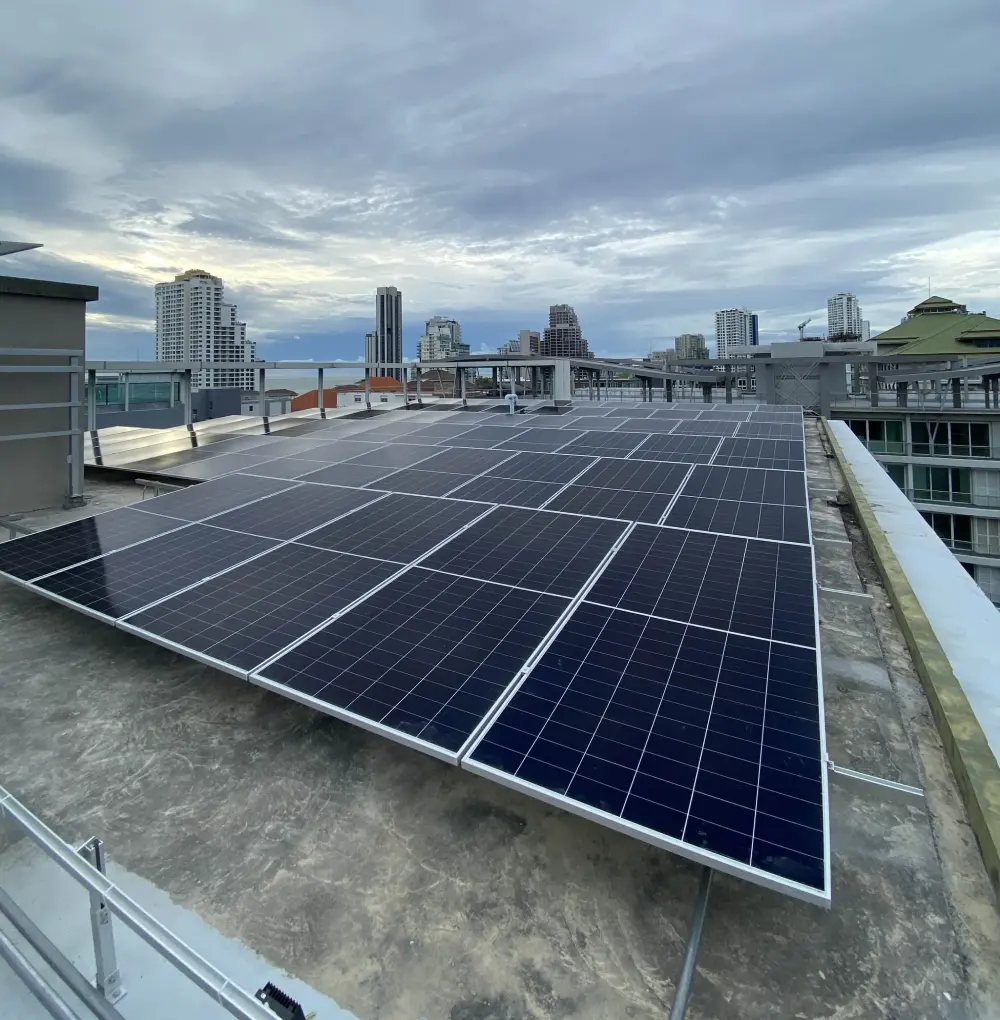
LONGi, Aiko, and Jinko Solar all back their panels with a 30-year linear performance warranty, guaranteeing output does not fall below a specified percentage of rated capacity over the full warranty period.
Huawei, Solis, SigEnergy, and Alpha ESS all carry standard manufacturer warranties of 5 to 10 years, with extended warranties available. All have local representation and stock in Thailand, so warranty claims are handled without international shipping delays.
Battery systems carry a 10-year manufacturer warranty or a specified cycle count — whichever is reached first. With LFP batteries rated at 6,000 to 10,000 cycles, this warranty covers the full productive life of the battery under normal operating conditions.
Ongoing operations and maintenance are critical to long-term system performance. Kunini offers structured O&M packages covering scheduled panel cleaning, full system inspections, inverter and battery health checks, and continuous remote monitoring. Our Customer Service team coordinates all maintenance visits and responds to any performance alerts. Cleaning frequency is adjusted based on site conditions — properties near highways, industrial areas, or construction sites may require more frequent servicing.
You invest upfront, own the system outright from day one, and capture 100% of the savings from the moment it goes live. Typical returns of 3.5 to 4 years for on-grid systems make this the highest long-term value option for those with available capital.
For businesses and homeowners who prefer to spread the cost, Kunini works with financing partners to provide solar hire-purchase arrangements. A down payment of typically 10 to 20% is required, with the balance paid in monthly instalments over 6 to 7 years.
For businesses looking for zero upfront investment, Kunini offers Private PPA contracts and Solar Energy as a Service (EaaS) agreements — both allowing you to benefit from solar without any capital outlay. See our dedicated pages for full details.
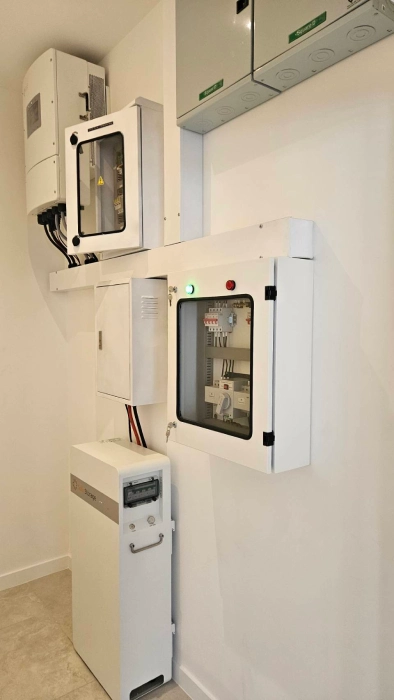
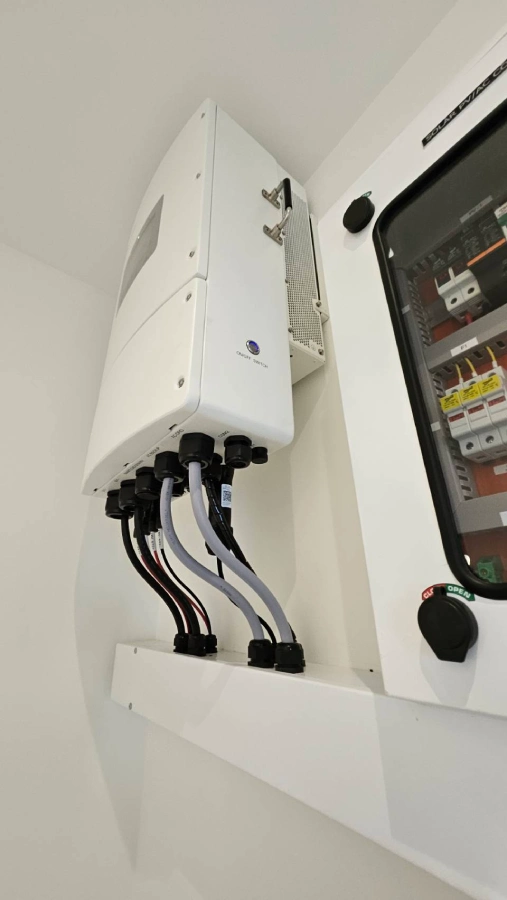
Kunini has been installing solar systems in Thailand since 2010 — longer than almost any other solar EPC in the country. We installed the first solar rooftop in Hua Hin and have since completed hundreds of residential and commercial installations across Hua Hin, Pattaya, Bangkok, and nationwide.
Every project is engineered, commissioned, and maintained by our own in-house teams. Where additional labour is required on larger installations, we work with approved contractors under the direct supervision of a Kunini engineer. All commissioning, operations, servicing, and maintenance remain entirely within Kunini. You are always dealing with us, not a subcontractor.
Kunini manages every permit, ERC compliance document, and utility approval required for your installation from start to finish. Whether you are connecting to the PEA or MEA, residential or commercial — you do not need to deal with government offices or paperwork. We handle it all, so you can focus on your business.
We choose our equipment suppliers based on quality, long-term reliability, and their ability to support systems in Thailand across the full life of the installation. The brands we specify — LONGi, Aiko, Jinko Solar, Huawei, Solis, SigEnergy, Alpha ESS, Fonrich, AndSolar, Antai, RRacks — are chosen because they perform, because they are supported locally, and because our customers deserve equipment that will still be working — and still be warranted — in twenty years.
Whether you’re looking at your first solar system or replacing an existing one, the first step is a conversation. Kunini offers a free, no-obligation consultation and site survey — and we’ll give you a straight, honest assessment of what solar can deliver for your property.